
Psychedelic Liberation Training:
Become a steward of sacred activism and collective liberation
Cohort 7: Mondays 6-8PM EST | 10.12.26 - 2.01.27
Join us for a free Informational Session about the training:
Wednesday 9/16/26 at 5pm EST
What will it take for the psychedelic community to truly become an intersectional, interconnected movement?
It will take individuals committed to becoming sacred activists for our collective liberation. Is that you?
This course will provide a context for intersectional social justice work within the psychedelic space and build a foundation for you to work with Sacred Earth Medicines and other healing modalities to decolonize yourself and your work.
We’ve collaborated with speakers ranging from psychotherapists and community organizers to Shamanic healers to explore how you can safely, and respectfully support diverse communities in this work. You will learn practical tips on integrating anti-oppression work into your practice, your work, and your everyday life.
Program Curriculum
In order to create an equitable future, we must all be fluent in the language of collective liberation. In this 3-month training program, current and aspiring psychedelic therapists and facilitators will learn how to decolonize themselves and their practice to become stewards of collective liberation. Leaning on ancestral and contemporary teachings, we guide practitioners through a process of sacred learning and activism.
-
Led by Charlotte and Syre this sessions sets the tone for our shared journey. We will begin with general housekeeping before moving into a journey to reconnect with our ancestral allies.
-
We cannot work towards collective liberation if we are not have a collective conversation. In this session PLT Founder + Lead Trainer, Charlotte James, will provide a foundational discussion on psychedelic assisted-care and embodied decolonization.
-
In this session, Hanifa Washington focuses on the revolutionary act of sacred listening. She shares the practice of 'Heart Listening' and gives space for students to engage this practice in breakout groups.
-
In this session Lead Instructor Charlotte James will discuss Neurocolonization - the study of how colonization has and continues to impact our individual and collective nervous sytem. We will then explore how psychedelics and other Earth-based ancestral practices can support us in remembering the resilience of our bodies and nervous systems.
-
Led by program Co-Lead Syre Saniya, Ph.D, LP.
-
In this class we will discuss healing justice as an abolitionist, anti-capitalist framework for intervening on the impacts of oppressive systems by bringing practices of care and compassion into movement work. We'll explore lineages of healing in movements, uplifting and learning from these examples. Participants are invited to reflect on the many roles within movements and ways that we can bring practices of ritual, grief-tending, and ancestral medicines to shore up resilience and spirit in liberation struggles.
This session is led by Diana Quinn, ND is a licensed naturopathic doctor and healing justice practitioner with over 20 years of service to marginalized communities including people of the global majority (BIPOC), 2SLGBTQIA+, and people living with disabilities and chronic illness.
-
Led by Wilhemina DeCastro
-
Led by Diana Quinn, ND
-
What is the state of the psychedelic Union? And what steps can you take to reasonably empower yourself and your communities when engaging with work that falls in the gray. This session, facilitated by founding members of the Psychedelic Bar Association Ismael Ali and Robert ‘Roman’ Haferd, is designed specifically to support practitioners dedicated to working within the values of collective liberation in clinical and community based psychedelic spaces.
-
Charlotte James and Syre Saniyah come together to co-teach this session on holonic preparation of clients, communities, and self as facilitator. This is a practical session aimed at providing tools that support communal comfort with and exploration of the unknown.
-
Led by Charlotte James and Syre Saniyah. The purpose of working with psychedelics for healing within a liberatory framework is not to focus on fixing what is broken, but on expanding our capacity to make room for wholeness on a personal and collective level. This session will focus on how we rescue the essence of non-duality in psychedelic decolonization work, as well as practical tools for integration.
-
Led by Courtney Watson. The dynamic founder of Doorway Therapeutic Services, Courtney, is not just a highly qualified therapist but a passionate advocate for those she serves. Her love for her work is deeply intertwined with her dedication to serving marginalized communities, particularly Black, Indigenous, People of Color, Queer Folx, trans/gnc/non-binary/2 spirit Folx, those exploring non-traditional relationships, and sex workers.
-
Led by Claudia Cuentas
-
Our closing session, also led by Charlotte and Syre, welcomes an exploration of our unique roles in the psychedelic resurgence. We use this last live class together to tie up any loose ends and to turn our gaze towards the future, making commitments towards our ongoing journey of personal and collective decolonization.
Our Program Values
We know that collective liberation is catalyzed by collective participation
We seek to understand and to be understood
We are open to feelings of discomfort in the learning and liberation process
We value decolonization education as part of psychedelic harm-reduction
We are committed to the personal decolonization process as the first step in collective liberation
We respect the sacredness of all life
PLT MODEL
Our training weaves together the following four areas of academia and embodied, ancestral practice to deliver curriculum based in evidence and balanced by Spirit:
-
Transpersonal psychology is a field of psychology that focuses on the study of transcendent or spiritual aspects of the human experience. It extends beyond an individual's personal identity and explores the interconnectedness between individuals, nature, and the cosmos. This theory emphasizes the significance of spiritual growth, self-discovery, and the development of an individual's higher potential. It seeks to integrate spiritual wisdom and practices with modern psychological understanding, aiming to promote holistic well-being and a deeper understanding of the human experience. Transpersonal psychology acknowledges the importance of altered states of consciousness, such as meditation, mindfulness, and mystical experiences, in fostering personal growth and transformation. By recognizing the spiritual dimensions of human existence, transpersonal psychology offers a comprehensive approach to understanding human behavior and consciousness, emphasizing the interconnectedness of the mind, body, and spirit.
-
Entheogenic shamanism is a spiritual practice that involves the ceremonial use of psychoactive substances to induce altered states of consciousness, often for healing, spiritual exploration, and personal transformation. This ancient practice is rooted in various indigenous cultures, where shamanic practitioners use plant-based substances, such as ayahuasca, peyote, or psilocybin mushrooms, to facilitate transcendent experiences and connect with the spiritual realm. Entheogenic or psychedelic shamanism is believed to offer profound insights into the nature of existence, consciousness, and the interconnectedness of all life. It is often seen as a tool for psychological healing, self-discovery, and the exploration of one's innermost being. In contemporary research, the study of these substances has gained traction for their potential therapeutic benefits, particularly in the treatment of mental health conditions such as depression, anxiety, and post-traumatic stress disorder. The exploration of entheogenic or psychedelic shamanism continues to shed light on the intersection of spirituality, consciousness, and psychological well-being. Unfortunately, the role that indigenous wisdom keepers have played in protecting and advancing this knowledge is frequently overlooked or erased in the psychedelic resurgence, and in mainstream PAT training programs.
-
Liberation psychology is a framework within psychology that focuses on the understanding and dismantling of oppressive power structures and systems, aiming to promote social justice and liberation. This theory emphasizes the importance of examining how societal, political, and economic factors contribute to the oppression of marginalized and disadvantaged groups, and how this impacts the experience of mental health for these marginalized groups. Liberation psychology seeks to empower individuals and communities to challenge and resist systemic forms of oppression, including racism, sexism, classism, and other forms of discrimination as an act of healing and collective wellbeing. It advocates for the development of interventions and strategies that foster collective empowerment, critical consciousness, and community mobilization. By addressing the socials roots causes of mental health, liberation psychology aims to promote equitable access to resources, opportunities, and rights, ultimately moving us closer towards collective liberation.
-
Decolonization is a critical theoretical framework and a political and social movement that seeks to dismantle colonial structures, ideologies, and practices that continue to perpetuate systems of oppression and marginalization. At its core, decolonization challenges the dominance of colonial powers and aims to restore autonomy, sovereignty, and self-determination to colonized peoples and communities. This multifaceted process involves reclaiming cultural identities, revitalizing indigenous knowledge systems, and fostering inclusive and equitable governance structures. Decolonization recognizes the importance of addressing historical injustices, promoting the recognition of indigenous rights, and revitalizing marginalized languages and cultural practices. It also emphasizes the need for equitable distribution of resources, including land, education, and healthcare, to redress historical inequalities. By acknowledging and rectifying the enduring legacies of colonialism, decolonization contributes to fostering a more just and inclusive society, ultimately promoting social, cultural, and economic empowerment for marginalized communities.
Meet your Lead Trainers:
-

Charlotte James
Founder, Lead Facilitator
-
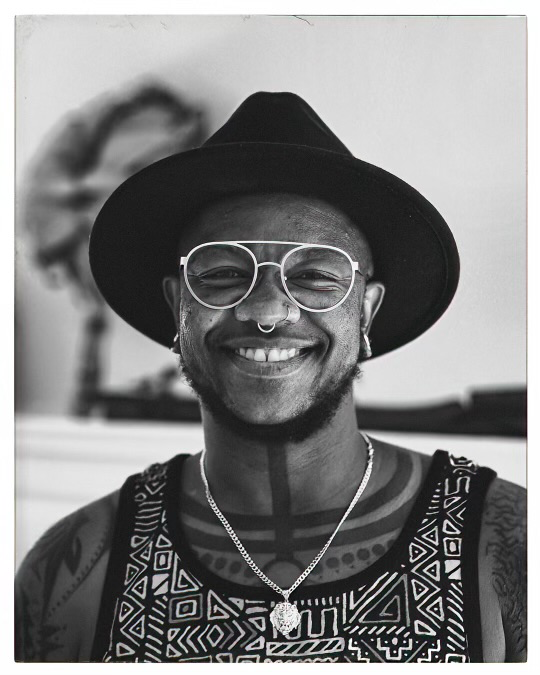
Syre Saniyah, Ph.D, LP
Program Co-Lead
Meet Your Guides
-
![]()
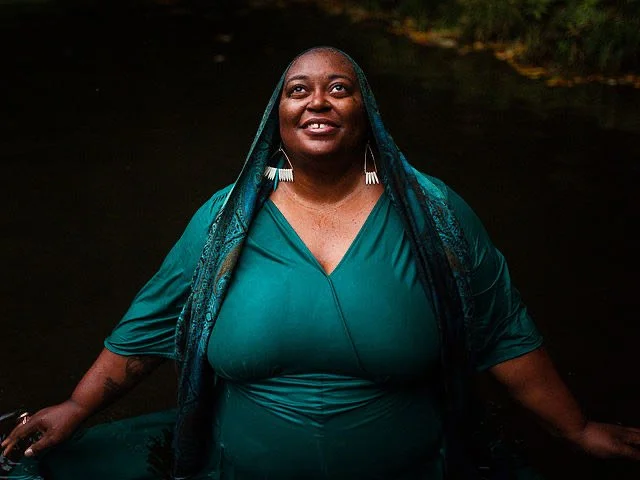
Hanifa Washington
GUEST FACILITATOR
-
![]()
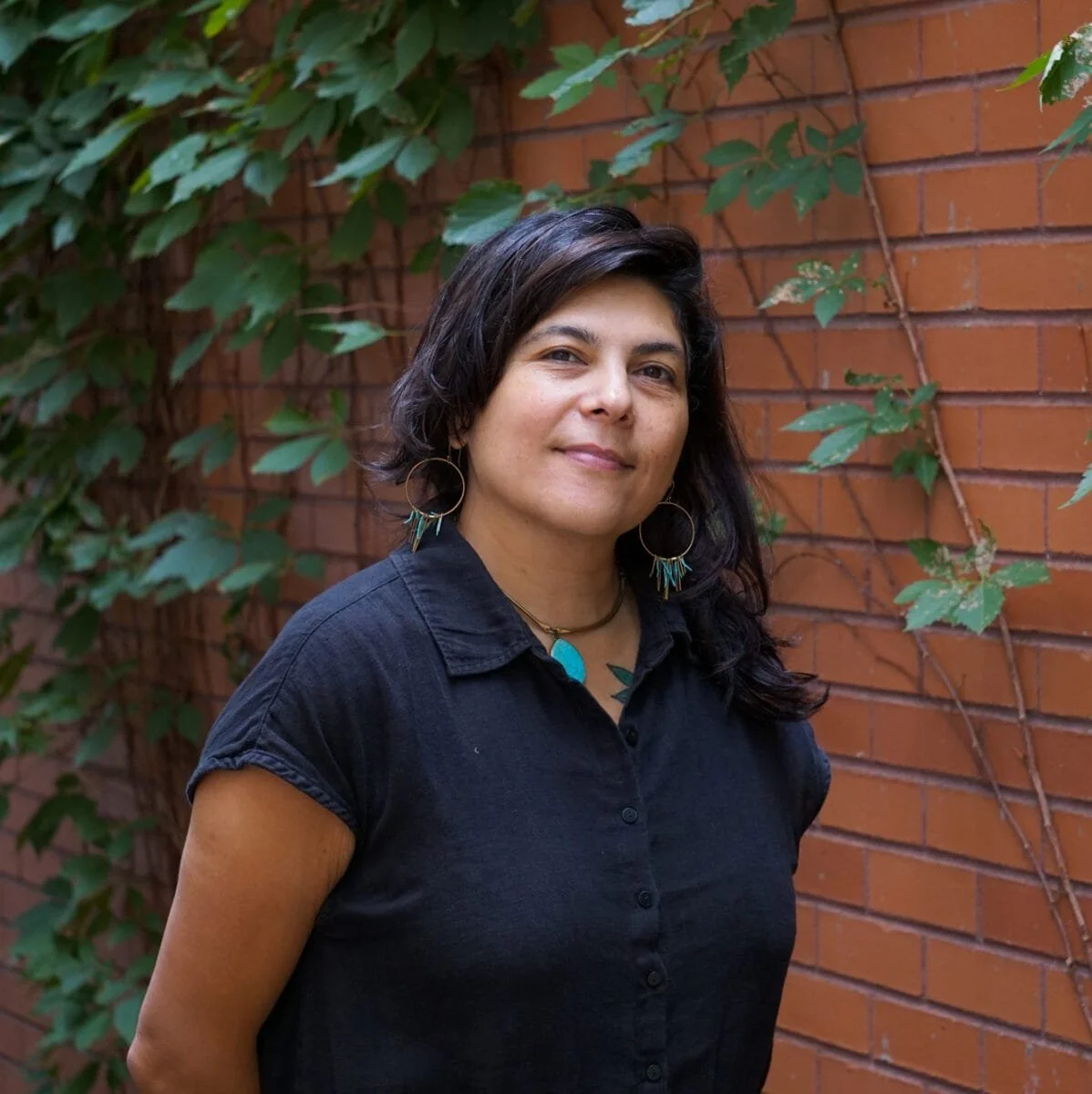
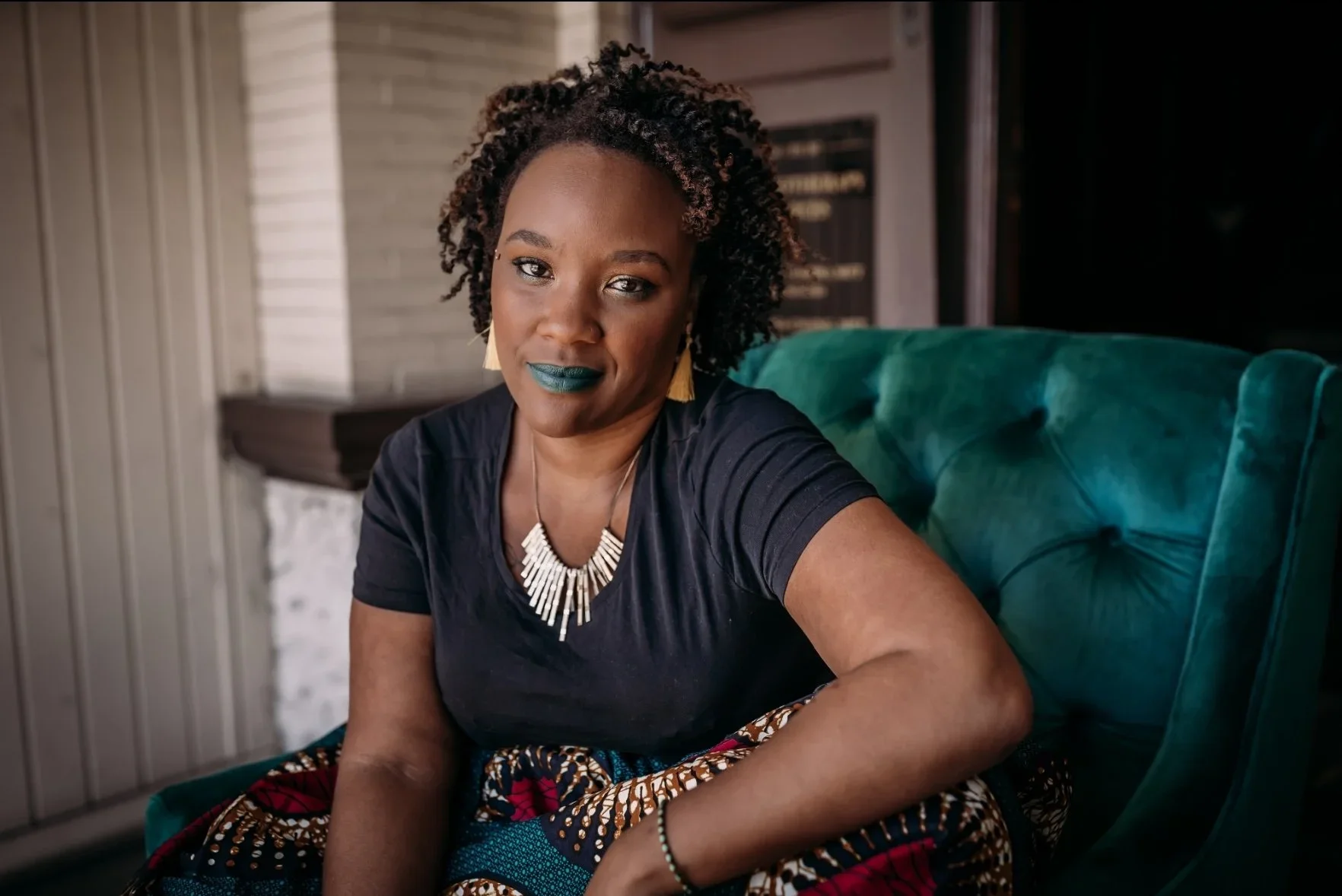
Diana Quinn, ND
GUEST FACILITATOR
-
![]()
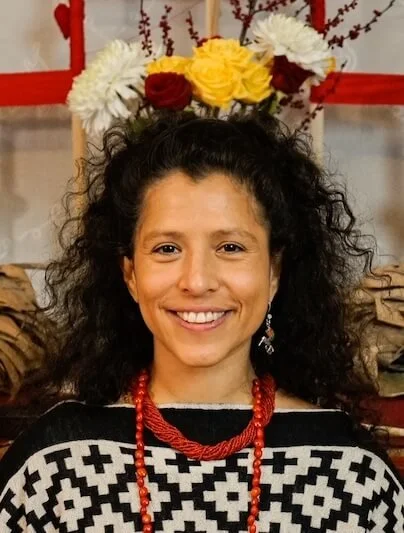
Wilhelmina de Castro
GUEST FACILITATOR
-
![]()
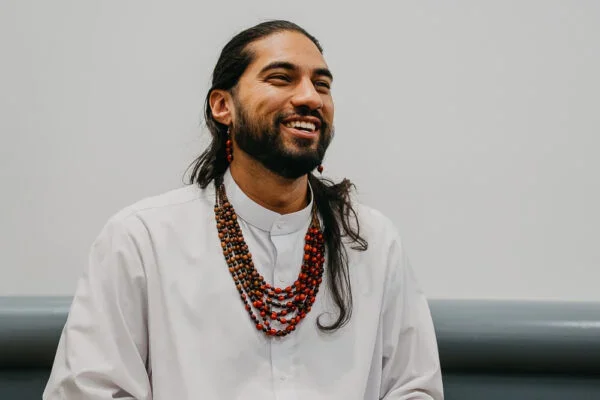
Ismail Ali, JD
GUEST FACILITATOR
-
![]()
Courtney Watson
GUEST FACILITATOR
-
![]()
Claudia Cuentas
GUEST FACILITATOR
FAQ
-
impacts of systemic oppression and drug policy on oppressed communities
ethical care in psychedelic practice
intergenerational and epigenetic trauma
spiritual and emotional bypassing
culturally responsible care in clinical and ceremonial settings
considerations for working with individuals and communities actively experiencing systemic oppression
challenges and solutions for financial and cultural accessibility
how to sustain yourself through liberatory work
decolonized approaches to preparation and integration
+ much more
-
24 hours of live and recorded lectures, learning exercises, and embodied practices
weekly discussion questions and resources
access to private practitioner community
access to the Psychedelic Anti-Racism Workbook
-
One of the unique and powerful benefits of participating in PLT is that our cohorts act as a meeting place for folks working in diverse realms of the psychedelic resurgence. We welcome clinicians, underground practitioners and ceremonialists, legacy and lineage practitioners, policy makers, community leaders, and entrepreneurs. As long as you are dedicated to you personal decolonization process, and the co-creation of Collective Liberation, you are welcome to register for PLT.
You do not need to have any clinical designation or prior certificate to participate in this program. You do not need to have any prior knowledge of psychedelics in a ceremonial or therapeutic context. Personal experience with Sacred Earth Medicines or other consciousness expanding modalities is encouraged but not required.
-
Live classes for Cohort 6 are:
Mondays 6-8PM EST, October 12th 2026 through February 1st 2027
All classes are recorded and uploaded within 24 hours of the live class.
-
Requirements for receiving a PLT Certificate of Completion:
Attend a minimum of 12 lives sessions, and watch remaining recordings (tracked by learning platform)
*we recommend attending as many live sessions as possible!
Engagement with self:
4 individual activities and contemplative integration questions
Engagement with community:
Comment on a minimum of one other student’s individual activity responses on the learning platform per activity
Complete and present final project
-
2026 Pricing:
Early Bird: $1650 (ends 9/20)
Regular pricing: $1750
*payment plans are available
-
Yes, however, scholarship applications are currently closed.
What people are saying about our programs:
Ready to get started on your journey to stewardship?
Our next cohort begins in October 2026!
If you’re not sure if this program is for you, we welcome you to schedule an Interest Call to learn more.